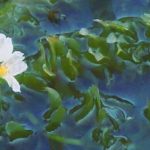

Brazilian waterweed, also referred to as egeria densa, is an invasive aquatic plant. While people have often used it as an ornamental plant, it has proved to be detrimental to freshwater habitats which it occupies. This plant is native to South America and has since spread to other regions owing to introduction.
This article will cover what this plant can do and what you can do to keep it from threatening various sectors of the economy.
The need for control
Should you get worried after coming across an invasive species? The answer is yes. Waterweed, when left uncontrolled, will compete with desirable plants for nutrients, light, and space. It does so through the formation of dense vegetation that covers the freshwater habitat. In so doing, the plant shades out native plants as they can no longer access light. The waterweed also covers waterways. As such, wildlife can no longer access the water source.
By out-competing the native species, the plant does away with the habitat for fish. The numbers thus dwindle as they have to seek alternative habitats. People are not safe from these canopies. There have been cases where people have gotten stuck in the dense mats, getting injured and worse. The same goes for animals. The water source thus becomes uninhabitable and a danger to those around it.
Recreational activities are no longer possible where this plant has established. People have to move their operations elsewhere, for their safety and aesthetic reasons. That is just but a fraction of the economic effects accruing from the development of this weed.
Brazilian waterweed spreads with ease where the conditions allow. It releases fragments from the parent plant, which get dispersed by water. On reaching ideal environments, these fragments grow into waterweeds, far from the original plant.
Controlling the growth of this waterweed is hard, as a fragment left in place can lead to the growth of another plant. The longer you wait, the harder it will be to deal with an infestation. It is thus best to deal with the plant immediately you spot it.
Origin
From where did this invasive plant come, and how did it get to the introduced area? Brazilian waterweed is native to South America. It got to North America, Central America, Oceania and Europe owing to introduction. Back then, it had high value due to its ornamental properties.
People in the aquarium trade made good profits shipping it from one region to the other. There is a likelihood that people often discarded the plant parts improperly, aiding in their distribution. Also, as people cleaned their aquariums, they are likely to have introduced plant parts to waterways. If these parts got into freshwater bodies, they could grow.
This waterweed relies on double nodes on the stem as well as plant fragments. Either of these parts can lead to the growth of a new plant. This plant is still in use as an ornamental plant and is highly available. Further introduction to non-native regions is thus a risk.
Preventative Measures
Seeing that this plant can rob people of their land and means to generate profits, dealing with it is of the essence. How can you play your part? This article will delve into preventative and control measures. But for a start, you can work on not releasing any non-native plants into water bodies. If a plant is not native to an area, ensure that it grows under controlled conditions.
Also, when using equipment on water bodies, ensure that you clean the items before and after use. You should learn how to recognize invasive species. In this case, you should learn how to differentiate between Brazilian waterweed and hydrilla. Both plants are invasive, and where you come across them, you should alert the relevant authorities.
Identifying Brazilian Waterweed
Brazilian waterweed is a submerged and rooted plant with a preference for freshwater habitats such as rivers, streams, and lakes. It can grow in up to six meters of water and will adapt to a wide range of climates. This adaptability has aided its spread in non-native regions.
It is a perennial plant whose stem can reach up to five meters. It gives rise to dense whorls which comprise at least four leaves. The leaves have smooth edges that are devoid of serrations, and they lack spines on the midrib.
This plant is dioecious, and thus forms make or female flowers on different plants. The flowers are small and solitary. In introduced areas, this waterweed mainly relies on the production of fragments to give rise to new plants. As it grows, the stems intertwine to create a dense stand. The plant grows submerged in water, and only the flowers exist above the water surface.

Look-Alikes
This waterweed is quite similar to the American waterweed known scientifically as Elodea Canadensis. This plant is a native elodea, and it grows on the west coast of North America. It has some similarities to the Brazilian waterweed. For one, it is also a submerged aquatic plant that thrives in slow and still waters.
Its leaves also occur in whorls along the length of the stem. Its leaves, however, grow in clusters of three, which is not the case with the invasive waterweed. Invasive waterweed mainly relies on the production of fragments to spread to other parts. In native regions, it can also reproduce through pollination.
People hoping to beautify their aquariums should consider using the native waterweed as it does not have aggressive growth. You should note, though, that this plant can be invasive when planted outside its native range. An excellent example of this would be in Australia, where the plant has taken over vast tracts of land and caused an imbalance in the ecological system.
It is thus always best to plant native species.
Growth
Knowledge as to how a plant grows and spreads enables you to control it with ease.
How Brazilian waterweed grows
With many aquatic species, you will find that the parent plant produces tubers and turions. And in this way, the plant gives rise to more species. That is the case with the hydrilla. But with the waterweed, the primary means of propagation is the formation of stem fragments. These parts break away from the main plant, and they move to other areas where they develop into new plants. In introduced areas, this is the primary mode of growth.
Where both female and male species are present, the formation of seeds is possible. Ovules develop and give rise to viable seeds that get dispersed and lead to new plants. In North America, this is rare as most of the female species are present in South America.
Where it grows
This plant has a preference for warm environments with adequate water. The temperature should be at an optimum of 15-17 degrees Celsius. The pH range varies significantly as the plant can withstand harsh conditions.
It grows with its roots in the sediment, while the stems and leaves cluster near the surface of the water. The formation of canopies under the water surface keeps native plants from accessing sunlight. The desirable plants thus fail to thrive, and they begin to die off with time.
The Brazilian waterweed is like most plants and will thus rely on photosynthesis to make food. As it does so, it releases huge amounts of oxygen into the water, observable in the form of bubbles. As such, this waterweed cannot grow in shaded conditions where it would have limited access to sunlight.
It takes up nutrients from the sediment through its roots and can thus grow faster where nutrients are in plenty. Examples of nutrients essential to its growth include potassium, nitrogen, and phosphorus.
This plant has to remain submerged in water if it is to thrive. Where the stem is not in water, the plant will not survive. Also, it has a preference for still or slow-running water and will seldom establish in fast-moving water sources.
This waterweed is native to South America in regions such as Argentina, Uruguay, and Brazil. In introduced areas, you will find it in North America, Africa, Australia, Asia, Europe, and New Zealand. In the non-native regions, it has a preference for temperate climates such as those in Oregon, California, and Washington.

Brazilian waterweed hotspots in the US
Introduction to non-native regions
People started selling this waterweed as an aquarium plant towards the start of the twentieth century. At the time, they looked to it for its beauty, which they wished to have in their aquariums and small ponds. To date, many people are still trading this plant. Given its ability to produce huge amounts of oxygen, people want it in their ponds. You can thus find it in pet shops as well as other trading platforms. Note, though, that it classifies as an invasive plant, and its sale and distribution is illegal in some regions.
After people have used it in aquariums, they are likely to introduce it to natural habitats through disposal. It thus continues to spread, taking over more habitats over time.
Uses
Though this plant ranks as an invasive species, it has been of help to many sectors as follows:
Aquarium use
The trade of the Brazilian waterweed resulted from its ornamental benefits. People appreciate the beauty that this plant exudes, and they have thus used it in their small ponds and aquariums. Given the aggressive nature of this weed, its sale and distribution are now illegal in many parts of the United States. However, where such regulations are not in place, people still trade this plant.
Studies
There has been a lot of interest in the growth pattern of this weed. It has large rectangular cells, which have been the basis of many studies. Students use the cells to study anatomy as well as cytoplasm streaming.
Threats of Brazilian Waterweed
The Brazilian waterweed spreads in non-native regions with ease, taking over habitats and displacing native species. It thus serves as a threat to biodiversity and the ecological balance as follows:
Spread
This waterweed produces fragments which it releases into the water. These fragments can develop into new plants that bear similar characteristics to the parent plant. The dispersal of the fragments will depend on the location of the plant.
Where the plant is in slow-moving water where winds are strong, currents move the fragments to other places. In native regions, this waterweed can produce viable seeds that also spread through water to other areas where they establish.
Water activities also aid in the dispersal of fragments and seeds. A good example would be the use of boats in infested waters. As the boat moves, fragments and seeds can cling onto the boat and get dispersed to other places.
Fishing also aids in the distribution of fragments and seeds. The same goes for irrigation and consumption by animals. It is thus crucial that all equipment used on infested waters undergo cleaning to get rid of seeds and plant parts.
Outcomes
Many sectors suffer as a result of this waterweed’s growth. A good example would be the economy where people spend a lot of money on eradicating this weed. Below are some of the most affected areas:
Environmental
Reduction of desirable plants
Brazilian waterweed grows at a fast rate and has a growth pattern that is more aggressive than that of native species. As such, it can reach high heights and spread out under the water surface in a short period. As it does this, it shades out the native plants, denying them access to sunlight.
It also takes up a lot of nutrients from the sediment, starving native plants of the same. Its growth rate is so fast that it can compete against other invasive species. An excellent example of this would be the Eurasian watermilfoil, which cannot keep up with the growth pattern.
As the waterweed grows, it creates a dense stand in the water, which can be as high as six meters. The stand grows both outward and upward. As a result, animals are unable to get through the stands and have to seek other means to move from one place to the other. This infestation thus negatively affects the aquatic ecosystem.
Reduced dissolved oxygen
As much as this waterweed significantly contributes to oxygen levels in the water, it also reduces concentrations of the same. This situation is especially so during the warm months. It owes to the creation of dense stands which seal the air-water interface. As such, not much air can get into the water.
The bacteria present in the water rely on oxygen to break down the plants that exist under the water surface. Over time, there is an adverse change in the habitat, and this affects fish and animals. With a reduction in fish and wildlife numbers, it is only a matter of time before food webs bear the brunt of the change. The numbers thus keep dwindling, and the state of the ecosystem remains at risk.
Reduced Habitats
Brazilian waterweed establishes in freshwater habitats where fish are in plenty. As it grows, it creates thick and impenetrable stands that bar fish from moving within the stand. These stands also alter the structure of the habitats, forcing fish to migrate to other areas.
Also, the infestations alter the chemical characteristics of the water and reduce dissolved oxygen levels. The habitat thus becomes unsuitable for the growth of fish. The fish that do not die from the effects end up moving to other places and suffering slow growth rates. And with fish migrating, other animals also have to move to maintain the food chain.
Habitat
On the upside, the growth of waterweed may be a good thing for animals. By impeding access to waterways, the waterweed keeps humans away from the habitat. Birds and other animals can then make homes in the canopies where they will remain undisturbed.
Economical
The effects of waterweed invasion are felt most in the economy.
Navigation
This weed establishes in freshwater habitats which people use for navigation. People using boats are unable to access waterways as the infestations cannot allow the movement of equipment on the water surface.
As such, people have to find other ways in which they can move from one place to the other. Swimming in such infested waters is dangerous as one could get entangled in the masses and drown.
Recreation
People love having a view of the water and will often put up hotels and resorts near water sources. This natural feel brings in clients who also want to enjoy water activities while at the establishment. The trouble comes in when waterweed establishes in a water source.
People can no longer use boats on the water, swim, or fish. As a result, the allure of the water source declines. Others will also stay away from the water for fear that the infestations could be hosts to diseases. Tourism activities thus suffer, and the economy bears the brunt of this downturn.
Real Estate
Having a house by a water source should generally fetch a landowner a reasonable price on the market. But where there is an infestation in place, this does not hold. Buyers will be put off by the sight of the weeds. Also, they will quote low prices on account of the unsightly infestation.
They also have to factor the costs associated with eradication and lower the price by that much. Given that controlling the weeds is not a one-time thing, many will prefer to do away with the commitment. Thus, people with homes by the water have to put up with reduced estate prices and high eradication costs.
Flooding
What happens when waterweed establishes in a water source? It blocks the waterways. Take an example of where the waterweed establishes in a dam. The dense stands have high biomass and can thus increase the water levels. Also, they can bar the water from emptying as it should.
When heavy downpours occur, the bank is likely to break, directing water to the neighboring lands. Where this happens, people and animals are at risk of losing their lives. Destruction of property is also highly likely.
Agriculture
The waterweed can establish in water canals. If this happens, it will take up nutrients in the canals, which could have aided in the growth of desirable plants. Also, the weed can block the flow of water, thus starving plants in the fields. This weed can also spread to the farms where it can compete with the crops and shade them out.
Hydroelectricity
The dense stands can clog intake pipes and filters in power generation plants. Not only is this risky, but it also cuts people off from access to power. Companies thus have to invest millions of dollars in eradicating the plants before they cause untold damage to their equipment. The removal process is quite expensive, and it takes a toll on the generated revenue.
This waterweed is not only invasive in introduced regions, but it has also proven to be a problem in its native areas. A good example would be in Brazil where hydroelectric companies have spent a lot of money in controlling this weed. It often interferes with equipment, reducing the power output, and thus affecting accrued returns.
Social
Where the stands grow in stagnant waters, they create a suitable environment for the breeding of mosquitoes. Communities living near the water thus have to put up with an increase in parasites. Also, the stands increase the water temperatures under the water surface as they absorb a lot of sunlight.
The plants often die back in the fall and start decaying. In doing so, they use up the dissolved oxygen, and they add more nutrients in the water. Algae levels increase, and the water quality reduces, posing a health risk to the neighboring communities.
The growth of this weed is thus an impediment to commercial, recreational, and agricultural activities.
Brazilian Waterweed Management
This waterweed currently ranks as a noxious weed in many states. Examples include California, Oregon, and Washington. As such, the sale and distribution of this plant in such regions are illegal. Also, where new infestations occur, eradication efforts should follow. It is best to know what laws apply in your area, as this will help you deal with the weed as per the regulations.
Managing the growth of this waterweed is not an easy fete. However, the measures have become more effective over time, and you have a wide range of options. You can rely on chemical, mechanical, manual, and biological control. You could also try altering the habitat to make the conditions less favorable to the growth of this weed.
In most places, you will find that management practices are a combination of different methods. The method in place often depends on the extent of the infestation. Where the stands are dense, the best thing to do is to work on restoring the ecological balance.
After the environmental impacts have reduced, you can work on eradicating the plant. For new infestations, it is best to quarantine the area and work on removing the plants.
All methods have their ups and downs, and combining them helps in mitigating the adverse effects. A good example would be sterile grass carp, which works on reducing Brazilian waterweed numbers. The upside is that this method is highly effective.
On the downside, it is indiscriminate and will work on desirable plants in the habitat too. As such, this method is best for areas where there are little or no native plants. From these examples, you can see that the most important thing is an initial assessment of the site characteristics. With this in mind, you can effectively deal with an infestation.
This section will cover the different control methods as well as examples of how you can integrate the same:
Integrated Management Practices
If you want to eradicate this waterweed from a habitat, the best way to go about it is to incorporate different control methods. All you need to do is to assess the site and figure out which control options would bear fruit. From here, you can integrate the options and get the most returns. All options chosen should be in line with the site characteristics.
Why use integrated management? All methods have their downsides, and by combining different control means, your efforts will be more effective. Also, some methods have adverse effects on the environment.
A good example would be chemical control, which kills both native and invasive species. By combining chemical and other means, you would lessen the negative implications on the habitat.
Integration is also cost-effective. Take an example of a large infestation with little or no native species. In this case, the use of chemicals would be a good idea as this method is highly effective. However, the costs associated with this approach may not fit your budget.
In such a case, you can start by mechanically working on the stands. After reducing their biomass, you can spray them with chemicals. You will end up using less money and will enjoy a significant reduction in waterweeds.
The social impact of the control measures also reduces when you combine different means. A good example would be with concern to water quality. Where you only rely on chemicals, communities would suffer a decline in water quality. Also, they would put up with declining fish and animal numbers in the water body.
Agricultural activities can also suffer when native plants get exposure to indiscriminate chemicals. It helps to note that the use of manual labor is of value to surrounding communities. People whose livelihoods have been at risk can gain employment during the eradication process, directing these benefits to the community.
You can thus see that the use of integrated management is beneficial to the environment, economy, and society. When choosing practices to use in this approach, you should go for an adaptable plan that can change as needed. Think about how much time you have in your hands.
Dealing with waterweeds will take a lot of time, and you cannot expect results in a day. Consider the time taken to clear the weeds and restore the habitat to what it used to be. Factor this into the strategy.
How much money will it cost to undertake the project? Suppose you will use chemicals on the habitat, how much money will you spend per square unit? Where do you intend to source the funds? Having a budget will help you work on the project without stalling at some point.
You should note that waterweed becomes more aggressive upon disturbance. As such, you cannot afford to start working on the weed and take a break. If you do this, the infestation could double in size, giving you more work to do. Based on your budget, figure out how much you can handle at a time and start with that.
Where will you get labor? Where the waterweed has taken over an area with navigational, recreational, and agricultural use, you will easily find labor. Many people will be willing to get to work to remove the weeds that are a threat to their livelihoods.
Figure out how much labor you will need and how much that will cost you. Also, will the participants require any training? If so, how much will this cost? Do they require safety equipment when delving into the waters? How many people do you need to meet your timelines? Factor these things into your plan to avoid snags in the future.
How do you plan on using the land once you remove the weed? Suppose you used the land as a pond, do you intend to do the same? What was the primary use of the land before the invasion? The answer to this will affect the measures you put in place to alter the environment in favor of the preferred use.
On removing the weed, you should plant desirable plants in its place. If you do not do this, you will leave the disturbed sediment open to invasion by other weeds. Then you will have to start all over again, and this will take a toll on your finances.
How does the community feel about the invasion? What is the perspective of landowners in the area? Engaging the community around you is of the utmost importance. You could work on dealing with the weed only for another infestation to follow owing to another introduction. It is best to ensure that you are on the same page with those around you.
Educating them on the effects of this weed could go a long way in raising awareness as to the need for management practices. Also, where you find that the community is willing and ready to take on the task, it will work in your favor. Working as a team will reduce the time and money you would spend as an individual. In either case, you have to find out what values exist in the community.
Managing this weed will take a lot of time. As such, ensure that your plan remains flexible to allow for the addition and removal of control options over time.
Planning
Your plan is an essential tool when dealing with waterweeds. It acts as a roadmap to which you can refer at any point. It will let you know when you are on track and when you are far from reaching your goals. Flexibility is vital regarding control options.
However, it should not get in the way of achieving your aims. If you plan on having a 20% reduction in 6 months, that is what you will use as a baseline. It will not matter what integrated methods you use; the focus will be on the results.
With that in mind, you need to get a clear picture of what you are up against. Carrying out a survey is thus essential, and during this exercise, you should map out the infested area. This map is necessary as it helps you divide the infestation into segments. It will also enable you to tell when the infestation spreads to another area. Once you have the map in place, detailing which areas have the most infestation, you can now work on your priorities.
Say, for example, you want to keep the waterweed from spreading to other places. Your efforts should center on this, and this mission will become your priority. With this in mind, you should thus think of what control options would best help you contain the infestation.
Combine several methods and work on assessing their effectiveness now and in the future. In this way, you can make changes to the plan to impact your mission positively. The options chosen should work based on site conditions.
For example, where the area is inaccessible, you can start by mechanical cutting before introducing chemicals. Also, think about the laws in place. It would be wrong for you to decide on a method that could harm the environment. As such, keep the law in mind when coming up with effective strategies.
Suppose you realize that the infestation is small, you can remove the weeds. To do this, you can rely on hand tools and manual methods. This approach would be in favor of restoring the habitat and would create employment in the community.
With small infestations, it is best to deal with the problem before it becomes a menace. Caution is of the utmost importance when dealing with waterweed. This plant quickly fragments, and these pieces go on to develop into new plants. You thus need to avoid breaking the plant apart as this could worsen the infestation. Before you embark on removing the plant, figure out how you will keep the fragments from getting to other areas.
Engaging the community will work towards enhancing your chances of success. As such, it is essential to let all landowners in the area that you will be working on reducing the infestation. Failure to do this will undermine your efforts. Getting their approval will work in your favor, and they, too, can join in to help you achieve results faster.
Working alone takes a lot of time, and you will end up spending more money than is necessary. It also will not make much sense to spend so many resources on dealing with weeds if your neighbors will empty aquarium water into the habitat. You will be back at ground zero in no time. Also, having landowners on your side ensures that you will not have legal troubles owing to disturbances.
Monitoring is an integral part of the plan. You must figure out how you will follow up on the progress of your efforts. Suppose you wanted to keep the infestation at 10% at all times, you will need to keep an eye on the habitat. Any time the level goes above 10, you can work on bringing it down. The plan should thus include how you will go about monitoring and how you will deal with new infestations.
During follow-up, you might come across a patch you had not noticed in the past. It is also likely that you could spot new plants growing where you already eradicated the waterweed. If you leave the site unmonitored, waterweeds or other invasive species could take over the habitat. You would end up dealing with the same problem that you have now.
Start by monitoring the site every year for at least five years. Continue doing this until you go three years without sighting the waterweed. From here, you can monitor the site for three more years and increase the intervals as you continue.
Note that monitoring for contained infestations will be thorough, as the likelihood of a re-occurrence is high. If you want to keep monitoring on the minimum, work on entirely eradicating the plant.
The Law
You require a permit to carry out any weed control on a natural water body. It owes to the disruption of the environment and the likely adverse impacts on wildlife and neighboring communities. As such, find out what the law in your region stipulates when it comes to dealing with waterweed.
Some control options will not call for detailed permits. An example of this would be hand pulling of weeds in small stands. However, when you wish to erect barriers in the water or use chemicals, you will need an additional permit.
To get the license, you have to show what measures you will have in place to avoid adverse effects on the environment. You should also have the community on your side. The work you carry out should not impede other people’s activities unless you have their approval. Where you erect structures in the water, you have to put up signs on the same.
For chemical control, you will need permits as well as licenses. In cases where you fail to demonstrate know-how on application procedures, you might not get approval. It is thus best that you undertake training on applications. Alternatively, you could engage someone with expertise.
In both cases, you will obtain a license to conduct the application. Also, you should have measures in place to protect the water body from deterioration. You may have to get special permits from different departments. And in all these cases, you will have to prove beyond unreasonable doubt that you will carry out the work in the best interests of the habitat.
Talk to the relevant authority and figure out who you need to talk to so that you can get the permissions. Also, ensure that you are up to date with the permit requirements as they often change. You will need to be in tune with current needs during follow-ups and monitoring processes.
Your plan can either help you or work against you when it comes to obtaining a permit. As long as you have a clear strategy on how to deal with the weeds and mitigate adverse effects, you will be fine.
Prevention
Earlier on, this article touched on some of the ways through which you can keep this weed from spreading. It all comes down to the little things.
Education
You should learn how you can identify Brazilian waterweed if you were to come across it. If you see a plant that seems to be aggressive and matches the description of this weed, you should act fast. An excellent way to go about this would be to engage an authority.
You will come across experts who can tell if you have a cause to worry by assessing the physical nature of the plant. This early detection will ensure that the plant does not spread to other places.
Where you are unsure of how to identify invasive species, you can work with local authorities and the community. Here, you will come across knowledgeable people who can point out some distinguishing features. You can also help by spreading the word as to the effects of this waterweed and other invasive species. The more people are aware of this plant, the less likely they are to sell and distribute it.
Containment
Where waterweeds have established, you should keep the plants from spreading to other areas. In this way, you can keep other water sources safe from invasions and reduce the costs associated with control. Suppose people use boats in the water, they should clean them before and after using them.
Setting up an inspection point would greatly aid in detecting any fragments and dealing with them accordingly. It would also help if you had signs indicating the presence of an invasion. People would be careful when venturing into the waters. Where possible, keep people from using the infested water body until measures are in place to prevent further spread of the plant.
Detection
Where can you find this waterweed? This plant grows in freshwater habitats in both still and slow-moving water sources. It would thus be best to search for it along the shores where the water depths are up to six meters. Streams, wetlands, rivers, and lakes are but a few of the likely habitats in which it would establish. You can engage the community in your search for infestations, as this will help you detect this plant more effectively.
Boat launches are other places where you are likely to come across this plant. Many people launch their boats in infested waters, and they remove them as they are. It is thus possible that the launches would have new infestations that require eradication. You can also check for the presence of fragments around trailers and boat motors, as these can lead to new plants.
Move downstream and check for new infestations. As parent plants fragment, the pieces move with the currents towards the downwind end. Here, you may come across fragments and new infestations. Keep an open mind and think of where the fragments could spread to and check those places.
When should you carry out the survey? While you can survey at any time, the best time to do so would be towards the end of spring. At this time, the plants are thriving, and you can see their canopies under the water surface. From here, the plants start to die back, and their visibility reduces. As such, if you want a clear picture as to the problem in your hands, start your detection in spring.
Proper Disposal
When Brazilian waterweed first came into the market, it was an aquarium plant. People used it for ornamental uses in their aquariums and small ponds. At the time, it was not an invasive species and was yet to take over freshwater habitats. Such was the case at the start of the twentieth century.
Moving forward, people dumped their aquarium waste into natural water bodies. They were unaware that the fragments from the parent plants could cause so much damage. And thus, the problem began.
To date, this plant is still widely sold and distributed. There is thus a high likelihood that people could dispose of it improperly. You should learn how to dispose of the plant and its fragments. Else, you could pave the way for a new infestation. Towards the end, this article will cover proper disposal means to which you should adhere during the control processes.
Volunteering
Join volunteer efforts around the neighborhood and engage with the community. In so doing, you will keep the infestations at bay. You will also gain a lot of knowledge as to how you can tell native plants away from the invasive species.
Enacting Laws
Authorities should work on banning the use and distribution of waterweeds. People using the plants for ornamental purposes should destroy the weeds and embrace native species. Those distributing the plants should stop or face the wrath of the law. Where you are in a position to influence the enactment of such laws, play a part in keeping these weeds away from your environment.
Think of ways in which you can aid the control efforts and follow through with the same.
How to Control Brazilian Waterweed
Once you have established that you have a waterweed problem in your hands, your efforts should focus on eradicating the weeds. Below are the control methods applicable and how you can use them to your benefit:
Manual Means
Manual control is all about relying on labor to deal with the weed problem. You will require a permit as your efforts will affect water bodies and thus the environment. Come up with a plan detailing how you will target the infestation based on segments and present this to the relevant authority.
The body should let you know what requirements you will need to meet to get the permit. It would thus help if you came up with mitigation measures from the onset.
Using mechanical tools and hand pulling is an easy way to deal with waterweeds without harming the environment. As such, getting a permit should not be much of a hassle. You should note, though, that this control method is best suited for small infestations. At this stage, the plants are yet to form dense stands, and you can pull them out by the roots.
Also, you will not incur a lot of costs in employing labor. The situation is different when dealing with a large area. For one, pulling out the plants by the roots is not an easy task as the stems are robust. Secondly, accessing the area may be dangerous, owing to inaccessibility and tangling.
Furthermore, you will spend a lot of time dealing with the infestation, even when dealing with a large labor force. You will also have to work with a big budget, and the results of the hand pulling may be unsatisfactory. The denser the infestation, the harder it will be to eradicate the plants through hand pulling.
The fragments have probably spread to other areas, and there are plenty in the water. As such, you would need to keep following up on the state of the site for a long time. And even then, it would be highly unlikely that you would put an end to the weeds.
When pulling the weeds by hand, you are likely to fragment the plants. If this happens, you will introduce new fragments into the water, which can lead to new plants. Before embarking on the pulling, ensure that you have the means to contain the fragments. You could put up a barrier around the infested area, allowing you to collect all the fragments and dispose of them as needed.
Some tools can better aid this process. They include but are not limited to weed rakes and woodcutters. Note that the use of such tools is limited to open waters such as those near docks. The tools make the work easier, but they could easily lead to fragmentation, worsening the infestation.
Follow through with containing the area and keeping watch for any new plants. The monitoring should continue for many years before you can finally consider the site free of waterweeds.
For large infestations, follow-ups will not make much of a difference. The best approach is to combine mechanical and chemical means, as this article will cover in the later stages. But with new and small infestations, total control is possible using manual means.
Ensure that you dispose of the plant in the recommended way. One means through which you can get rid of plant matter is composting. Waterweeds will not survive out of the water, and as long as you compost them far from water sources, it will be fine. You can then use the plant matter in farms that are far from water sources.
Alternatively, you could dispose of the waste in bins. It would help if you engaged a local authority on the best approach in this regard. Leaving fragments in the water or by the shore will encourage their growth. They can get in touch with water and take root, forming another dense stand.

Mechanical Means
In this case, you will need to use a little more effort to get the work done. You will thus need a permit from the local relevant authority. Your plan should be such that it details how you will minimize disruption of the natural habitat. Where you cannot present adequate mitigation measures, you are likely to end up without a permit.
Mechanical means are often more effective than manual means. However, you should note that they are aggressive and can thus lead to more infestations in the future. On the upside, you rely on machinery and therefore spend less time on the exercise. Also, you will not need a large labor force, and you can make do with a few skilled workers.
Moreover, you are likely to spend less money on this exercise. On the downside, mechanical means often lead to fragmenting of the weeds, increasing the chances of invasion. You thus have to spend money in barricading the site to prevent further spread of the plants.
Also, mechanical means are not effective on their own. You have to rely on other control measures to get the most out of the exercise. This method is not selective as the machine will rip through everything in the habitat. As such, where native species are present, it would be best to avoid this option.
You can use cutters for this, with examples being boat-mounted cutters or harvesting barges. These machines will work in keeping the open water clear of the weeds. Note that you have to follow through with monitoring of the habitat ever so often.
Cutters are best for dense stands where the weeds occupy most if not all of the habitat. They pave the way for the use of other control methods. Where the infestation is small, you should avoid cutters as they are likely to spread fragments to new areas. However, you should note that neither cutting nor pulling will give you the best results where integration is not in place.
Dredging is also another way to target the infestation, and it works best for small stands. You can rely on it to get rid of plant material after using chemicals in the water. A good example where dredging aided in eradicating this weed is the Chehalis River in Thurston County. The authorities dredged out the sediment, and there was a significant decrease in waterweed infestations.
Note that this method harms the water body. For one, it increases turbidity in the body. Also, it deprives organisms of nutrients. For these reasons, you will require a special permit from the authorities for you to carry out such an activity. It is also essential that you pay attention to the fragments as they could further infest the water.
How about rototilling? Can you rely on this method when dealing with waterweed? Yes and no. On the upside, you will move through a large waterweed infestation with ease when using this technique. On the downside, it leads to increased turbidity in the water. It also reduces clarity in the water body, posing a danger to the users.
Additionally, it interferes with water quality. If you decide to use this method, you will require a special permit from the authorities.
Regardless of the method in place, you will need a barrier to keep the fragments from spreading. It is also vital that you properly dispose of the plant materials.
Biological Means
Biological methods are often the best way to deal with invasive species. They involve the introduction of natural enemies to attack specific parts of a plant. In this case, people rely on the use of triploid grass carp to control the growth of this weed. Studies show that the grass carp has a preference for this waterweed over desirable plants in introduced regions.
However, when grass carp establishes in a habitat, it feeds on both invasive and non-invasive species. Its indiscriminate nature thus makes it a threat to plant communities in areas where waterweed is a problem.
You can only introduce grass carp to water bodies where screening of the inlet and outlet is possible. Where this is not the case, the species can move to other water bodies where it can harm native plants. You can also introduce it to an area with few or no native plants. It is thus best that you assess the state of the site before using a biological agent.
You should also consider the future uses of the habitat and how the agent will affect the said purposes. You could plan on restoring the site by planting desirable plants. But with grass carp in the habitat, this would not be possible as it would devour the plants.
As of now, only grass carp exists as a biological means to fight waterweed. Research as to other pathogens and invertebrates is ongoing, and the studies are yet to be conclusive.
Cultural Means
Here, you rely on the use of non-invasive measures in dealing with this weed and controlling its growth as follows:
Where the infestation is on a small scale, you can use an opaque bottom barrier. It will prevent the waterweeds from accessing nutrients in the sediment and thus keep them from thriving. You can use a barrier in shallow waters such as swimming pools and around boat launches.
Cleaning the barriers is necessary. Otherwise, they will collect sediment, and the weeds can use these nutrients to develop. Where the infestation is on a large scale, you cannot rely on this technique as it would not be practical.
Before using a barrier on any water source, you should consult with the relevant local authority. Your plan should delve into ways in which you will avoid adversely affecting native plant communities.
Using drawdowns is another excellent idea. You can only use this method in water sources where you can control the water level. Reduce the water available in the water body such that you expose the sediment to harsh weather conditions.
The water level should remain at a minimum for an extended period such that the sediment dries out. During winter, you can use drawdowns to freeze out the sediment, making the environment unsuitable for the growth of weeds. Drawdowns may not work in some places.
A good example would be towards the west of Washington. Here, the seasons are rainy, and the sediment would thus have enough water to support the growth of plants. Note that drawdowns will not work after a single attempt. You should keep altering the water levels if you wish to witness a significant reduction in weed levels. This method is not selective.
As such, you will negatively affect native plant communities, and this will hurt the ecological balance. If you wish to use this technique, you should assess the upsides and downsides and decide if this is the best approach.
Also, you have to consult the local relevant authority to get a permit on the same. Engaging the community also helps so that you can get their approval on disrupting activities in the water.
Chemical Means
When dealing with weeds, the use of chemicals is often the most effective method. However, it has its downsides in that the herbicides are not selective. You have to be careful when applying chemicals to ensure that you do not affect the desirable species. It is not that easy when dealing with weeds growing in the water.
For one, you cannot control which plants get affected by the chemicals which will remain in the water. Secondly, you risk people’s and animals’ lives by using herbicides on drinking water. Thirdly, chemicals quickly dissolve in the water, and you will have to apply them repetitively. In the end, you will have altered the chemical characteristics of the water, and this will have long-term effects. Fourthly, you have to attack one segment at a time.
Where people attack the infestation at once, it results in widespread decay, which lowers the oxygen levels in the water. Aquatic species thus bear the brunt of the change, and this affects the ecological balance. You should also note that the use of chemicals is expensive and it will take a considerable toll on your budget.
With all these downsides, the use of chemicals may not be the most attractive method. But with large infestations, it is best to integrate herbicides with other control methods. Failure to do so will lead to ineffectiveness as well as prolong the time used in controlling the plants. It is a necessary evil. That said, you need permits and licenses to embark on chemical applications.
The authority in charge will go over your plan and assess the need or lack thereof of chemical use. In most cases, authorities will work on using other means other than chemicals for the sake of water quality. But where all else fails, they are willing to sign off on the process.
The chemical application must take place under the watch of a qualified person. You can conduct the application by yourself, where you have the necessary skills. Alternatively, you can hire a licensed contractor to do the job on your behalf. In both cases, you will require to provide the certifications needed to get the permit.
When selecting a chemical, you must ensure that it is aquatic, as this will have less negative impacts on the habitat. While non-aquatic herbicides may also do the job, restoring the habitat after using them will be quite tricky. Also, they are likely to have ingredients that are toxic to aquatic life and could end up killing everything in sight.
While chemical application is one of the most effective means of control, it will not work within one attempt for large infestations. You will require treating the plants for several years while keeping an eye on any new infestations. Where new plants develop, work on removing them using manual means to reduce environmental damage.
Fluridone has proven to be an active compound in killing waterweeds. You can thus consider its use as many brands have it as an active ingredient. Endothall and Diquat also work, but when in combination with copper compounds. In recent years, studies have shown that copper compounds harm some aquatic animals.
As such, this option may not be available to you. It is always best to engage the local authority on what would work best for your region. Also, note that you will need a permit to get the chemicals from the store.
During the application, you should follow the label as it will serve as the law. Dress as needed and carry all the gear that you require. Ensure that those involved in the process have the necessary training and avoid getting into the water.
You can use a boat to cover a wider area, ensuring that you have proper safety measures in place. Do not use more chemicals than is necessary as this will enable the plants to develop a resistance to the compounds. Also, do not water down the chemical as it will lose its effectiveness. Subsequent treatments will be necessary to maintain high concentrations.
Integrated Control
Now you know what methods you can use when dealing with waterweeds in your land. This section will cover examples of integration and why these combinations have worked. Note that you cannot carry out any weed eradication on a water body without a permit.
It is especially so when dealing with a stream, wetland, lake, river, or other such public water sources. You have to engage the authorities before disturbing the body. Where the work will be extensive such as the erecting of barriers or using drawdowns, you may require additional permits. Where the affected water source is not public and does not relate to other water bodies, you may be exempt from permits.
For small infestations, it is best to rely on manual means as they are less invasive and have fewer environmental impacts. Take care when pulling out the weeds to avoid fragmenting them and spreading them over a wide area. With caution and monitoring in place, you could eradicate an infestation by hand.
For large infestations where the weeds comprise most if not all of the water habitat, you should try using mechanical means. These include cutters and harvesters. Not only will they provide access to the water source, but they will also aid in controlling the number of weeds in the habitat. Dredging is another alternative that works great where the water body in question has moving water. It pulls up everything from the sediment and is quite a disruptive process. However, it works in reducing weed populations where there are barriers in place to prevent the spread of fragments.
For small infestations in open waters, the use of bottom barriers is practical. Examples include docking areas and swimming pools. The barriers should remain free of debris to ensure that the waterweeds do not have access to sediments.
Cultural and biological means also work. For biological control, you can rely on the grass carp. On the downsides, it is not selective and will thus also affect other species in the water. It is, therefore, best to use this species when there are few or no native plants in the water.
Drawdowns work best where you can expose the sediment to harsh conditions for a long time. Note that this method is also not selective, and it will harm native species in the environment.
Finally, there is chemical control that works on large infestations where other control means would not bear sufficient results. For this technique, you need to get a license from the governing authority. You also require trained personnel to carry out the eradication for your safety and that of the water body.
Now, let’s delve into different scenarios and how you can control the infestations:
Isolated or Man-Made Ponds
You have to check with the local authority as to your need to get a permit. In some cases, you may not need one as the pond does not affect other water sources. However, you will need to prove that you will dispose of the plant materials in a way that does not affect other habitats. As such, always start with seeking approval, even for water bodies on your land.
You can use drawdowns to deal with the weeds as you can control the water levels. Let the sediment freeze and dry out, thus killing the weeds. Remove the plants as well as their fragments and dispose of them as recommended.
Leave the bed empty to ensure that it dries out completely and clean its liners. You can then refill the pond and use native species in it. Where you have ornamental plants in the pond, you can start by removing them before altering the water level. Examine them for any waterweed fragments before returning them to the pond.
If the infestation is at an early stage, you can use manual control. Work on the pond per segment, ensuring that you cover all the weeds. Remove them with caution and ensure that you do not leave any fragments in the water. Manual control can come in as a follow-up after using a drawdown.
In natural ponds, you can rely on the use of a bottom barrier. Keep the barrier clean, and this will starve the waterweeds of nutrients. Where you do not wish to get rid of all the waterweeds, you can rely on grass carp. Note that it will also feed on other species, and this may be a detriment to the biodiversity in the pond.
If you have tried all else and failed, you can use chemical control. It will kill the waterweeds after subsequent treatments. You will have to alter the water characteristics to make the pond habitable once the management practices are behind you.
Small Lakes
Here, you will deal with a water body that not only affects you but the community around it. As such, you have to adhere to regulations in your region and consult the relevant authority on the same. Draw up a plan, present it to the body in charge, and work based on the permits given to you.
Given that you will affect the community around you, it follows that you should engage landowners and the community at large. They will help you in obtaining the permits, and they will also play a large part in reducing the financial burden. Getting people to volunteer will reduce the time and costs required to procure help with dealing with the infestation.
For infestations that are new and yet to establish, using manual control is the best approach. Pull out the weeds from the sediment and dispose of them as is necessary. Ensure that you do not leave any fragments in the water and keep monitoring the area to catch any new plants.
Alternatively, you could use a bottom barrier to keep the weeds from accessing the sediment. The barrier should remain in place as you seek a more permanent solution. It should also be free of dirt at all times; else, it will encourage the growth of waterweed and other species.
Where the infestation is on a large scale, your best bet will lie in using chemical control. The chemical means section under control outlines how you should go about this. Chemical control will give you the most satisfactory results. It is always best to integrate chemical means with mechanical control. It aids in reducing the time and money spent on the process.
Start by using a cutter on the weeds before applying chemicals. For new infestations, you can rely on manual means as you follow up with timely chemical treatments. Mechanical means will not eradicate the infestation when used solely. They could also add to the level of the infestation.
Grass carp is another alternative. You have to ensure that the laws permit the use of this species based on the site conditions. The carp will affect both native and invasive species, so the community has to agree on this method to avoid any conflicts. If you wish to clear a small part of the lake, you can use adequately maintained bottom barriers to create this access.
Moving water bodies
Controlling Brazilian waterweed in moving water bodies is quite a hard task. For one, the spread of fragments occurs quickly, and the infestation likely spans over a wide area. Secondly, attacking the weeds you do can lead to fragmentation and these pieces can easily move downstream.
For these reasons, you have to come up with reliable measures on how to prevent spreading the weeds. You also have to contact the local authority and get the necessary permits for the same.
Start by targeting the plants growing upstream. Working downstream will not help much if other plants can still release fragments into the water. Once you have cleared what is upstream, you can work on moving towards the outbreaks on the lower areas.
Containment is of the essence. As you work on the plants, you are likely to break off some parts. In stagnant waters, this would not be much of a problem as you could collect the fragments once finished.
But with moving water, it takes a few moments for the fragments to move further and further away. You should thus have a net or other form of barrier to hold the fragments while you work. You can then remove the pieces when you have finished working on the infestation.
Working on the water source per segment will bear more fruit than attacking all areas at once. You should thus organize your labor force accordingly. Diver dredging also works for these waters by pulling out everything from the sediment to the plants. The invasive nature of this process calls for a barrier to prevent the spread of the fragments.
For small infestations, you can rely on manual means. Ensure that you have a net in place to catch the plants and fragments and avoid spreading the materials. Using a bottom barrier also aids in keeping the waterweeds from thriving. Given that the water is fast-moving, you have to ensure that the barrier remains secured, else it will not work.
Can you use chemicals in flowing water? While you can, controlling what the chemicals affect is quite tricky. Talk to an expert about this, taking in the effects that this would have on surrounding water sources. Likely, you will not get a permit for this, and you should thus consider engaging the local authority on the matter.
Using grass carp in flowing water is not allowed. As such, your best bet lies in combining manual and cultural means.
Lake Shores
Dealing with a public water source requires that you engage the relevant authorities on the same. As such, start by finding out what the permitting and regulatory requirements are. You can use these when formulating your plan, which you will present to the authority.
Removing the weeds in entirety may not be possible for these water sources, more so when the infestation is large. It is best to work on slowly reducing the infestation over time. An excellent way to do this would be to erect a bottom barrier that will provide access to the beaches, docks, and other such spaces.
However, note that barriers may also not be legal if the affected areas serve as spawning areas. Figure out what species you may affect by using a barrier and decide accordingly. Where barriers are applicable, you should maintain them to ensure that they serve the intended purpose.
For small infestations, you can rely on manual control. If you keep up with the hand pulling, the waterweeds should significantly reduce in numbers. Involving the community in this can help in spreading awareness and reducing the costs involved in the eradication.
For areas where access is of the essence, you should consider using mechanical control. An excellent example of this would be marinas. Use cutters and other such machines to pave the way and follow through with collecting all of the fragments. Mechanical means will not eradicate the weed, but they will reduce the infestation.
It is best to integrate mechanical means with chemical control. In this case, spot control would be the best option. Where waterweed is present, there is a high likelihood that other invasive species exist in the water body. You should thus select an aquatic chemical that can help in killing these unwanted species.
Engaging an expert in the selection process will help you choose a chemical with the least negative impacts on the environment. It is important to note that chemicals get diluted in the presence of drifting or the occurrence of waves. You should follow up with treatments to maintain the chemical concentrations. Also, you cannot use chemicals on a water body without consulting landowners and the community as they will get affected.
Biological means on lakeshores are often not recommended. Thus, you should check with the local authority as to whether you can introduce grass carp to the water body. The downsides of this species often outweigh the pros, and, likely, you cannot get a permit for this.
Disposal
Unless you use chemical means, you will have some cleaning up to do. How you conduct the disposal will affect the likelihood of other outbreaks in the future. It is thus in your best interests and those of the community that you do this right.
You can leave the waterweeds out to dry on land as long as it is not near a water source. These plants cannot survive out of the water, and they will thus dry out. Follow up with burning them to ensure that they do not come into contact with water and start growing.
Composting is another method, which you should carry out far from water sources. You can use the plant materials in your farm, as long as they are not in contact with water. You could also dispose of the plant materials in bins that you would deposit in landfills.
Do not leave the plants and fragments in water or near water as they will grow and spread, leading to another outbreak. Where you are in doubt, always talk to the relevant authority as to what options are available to you.
Conclusion
Brazilian waterweed can become a menace once established in a water body. Most control measures negatively impact the environment and harm aquatic life. It is thus best to integrate the measures to achieve long term control while protecting the habitat. Preventing the spread of this weed would be the best means to save money and time, thus gear your efforts toward the same. All the best of luck to you!
References
- Egeria densa Planch – https://nas.er.usgs.gov/queries/greatlakes/FactSheet.aspx?SpeciesID=10&Potential=Y&Type=2&HUCNumber=
- Brazilian Elodea – https://your.kingcounty.gov/dnrp/library/water-and-land/weeds/BMPs/Brazilian-elodea_Egeria-densa_control.pdf
- Hydrilla and Brazilian Elodea – http://nc-ipc.weebly.com/uploads/6/8/4/6/6846349/hydrilla_elodea_100913.pdf
- Egeria densa – http://www.iucngisd.org/gisd/speciesname/Egeria+densa